Pairing your audio devices with a Denon Bluetooth receiver can unlock a world of high-quality wireless sound with minimal fuss. Known for their superior audio equipment, Denon has made the setup process for Bluetooth pairing straightforward and user-friendly. This article will guide you through the necessary steps for a successful pairing, explore the benefits of a seamless connection, provide troubleshooting tips for common issues, and highlight the enhanced experiences you can enjoy once your system is up and running.
Step-by-Step Pairing Process
Let’s break down the pairing process into simple steps to ensure you can quickly enjoy your Denon Bluetooth receiver.
Initial Setup
Before pairing, ensure your Denon Bluetooth receiver is properly connected to your audio system and powered on. With your receiver in standby mode, activate the Bluetooth function. This is typically done by pressing a dedicated Bluetooth button on the receiver or selecting Bluetooth as the input source using the receiver’s remote control.
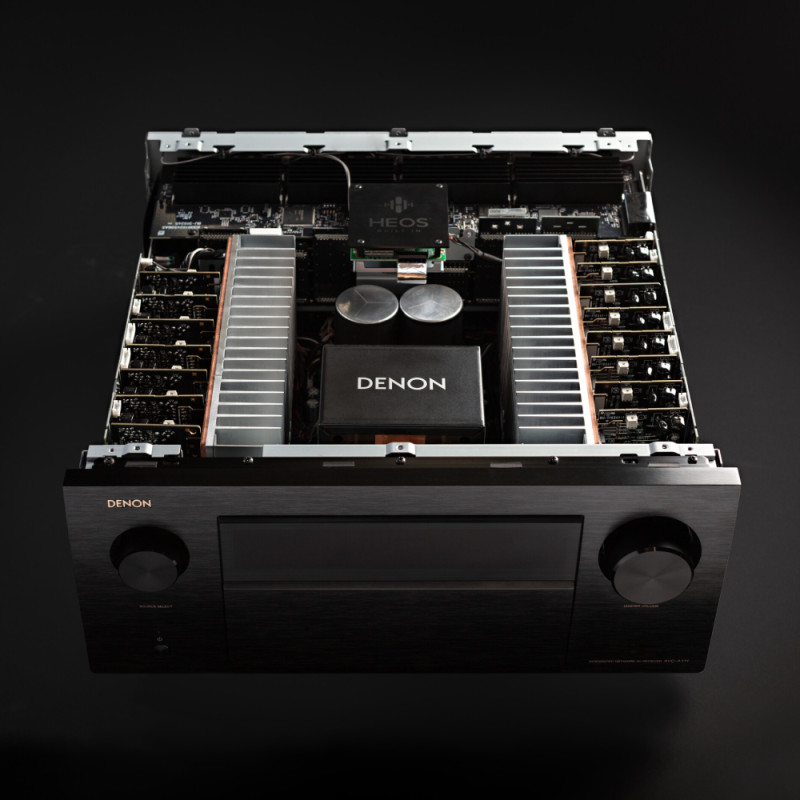
How to connect Denon Bluetooth:
Pairing Your Device
Next, enable Bluetooth on the device you wish to pair, such as your smartphone, tablet, or laptop. In the Bluetooth settings of your device, search for available devices and select your Denon receiver from the list. If prompted, enter the default pairing code—often “0000”—to complete the connection. Once paired, your device should connect automatically to the receiver whenever it’s within range and Bluetooth is enabled.
Troubleshooting Common Pairing Issues
Sometimes, you might encounter obstacles during the pairing process. Here are tips to resolve common issues.
Ensuring Compatibility
Firstly, check that your device is compatible with the Denon receiver. Most modern devices should have no issues, but older models might not be supported. Consult your device’s documentation or Denon’s website for compatibility information.
Resetting Connections
If you’re experiencing persistent pairing problems, try resetting the connection. On your Denon receiver, clear previous Bluetooth pairings by holding down the Bluetooth button for a few seconds. On your device, forget the Denon receiver from the list of paired devices. Then, restart the connect to Denon Bluetooth process from the beginning.
Benefits of a Seamless Connection
Once you have successfully paired your device with the Denon Bluetooth receiver, you’ll enjoy several advantages that enhance your audio experience.
Wireless Freedom
With Bluetooth pairing, you can say goodbye to the clutter of wires and cables. Denon’s wireless technology allows you to stream audio from your device to the receiver without being tethered to one spot. Move freely around your space while maintaining a clear, uninterrupted sound connection.
Versatile Streaming Options
The Denon Bluetooth receiver offers versatility in streaming. Easily switch between audio sources—be it music from your phone, a podcast from your tablet, or a movie soundtrack from your laptop. The receiver keeps your space neat and your audio options flexible.
Enhanced Audio Experiences
The purpose of mastering Bluetooth pairing with your Denon receiver is to ultimately improve your listening experiences. Here’s what to expect.
Superior Sound Quality
Denon receivers are renowned for their sound quality, and Bluetooth pairing doesn’t compromise this. Enjoy crisp, clear, and rich audio that fills your room, whether you’re listening to a finely tuned playlist or the immersive score of a blockbuster movie.
Ease of Access and Control
With your device paired, you gain easy access to a vast library of digital audio content. Control your listening experience right from your fingertips—adjust the volume, change tracks, or switch audio sources using just your paired device.
Streaming options and services
While Denon Bluetooth receivers offer a convenient way to stream audio wirelessly, they typically don’t have built-in access to streaming services like Spotify, Tidal, or Apple Music. However, there are a couple of ways to unlock a wider world of streaming options:
-
Use your smartphone or tablet as a source: Most smartphones and tablets come with pre-installed music streaming apps or the ability to download them. Once your device is paired with your Denon receiver via Bluetooth, you can simply launch the desired streaming app and play your music. The Denon receiver essentially acts as a wireless speaker for the audio coming from your device.
-
HEOS by Denon app: Some Denon receivers come with Wi-Fi capabilities and integrate with the HEOS by Denon app. This app allows you to access a variety of popular streaming services directly, including Spotify, Deezer, Tidal, Napster, TuneIn, SoundCloud, and Mood Mix. You can control playback, adjust volume, and browse music libraries directly from the HEOS app.
Here’s a breakdown of the streaming options available with Denon Bluetooth receivers:
- Limited built-in options: Denon Bluetooth receivers themselves typically don’t have built-in access to streaming services.
- Streaming via smartphone/tablet: Pair your device and use its pre-installed or downloaded streaming apps. The receiver acts as a wireless speaker.
- HEOS by Denon app (on compatible models): Provides access to a variety of popular streaming services with Wi-Fi connectivity and the HEOS app.
Important Note: Availability of specific streaming services within the HEOS app may vary by region. It’s always best to check the Denon website or the HEOS app itself for the most up-to-date information on supported services in your area (as of 2024).
Minimizing interference sources
Here are some ways to minimize interference sources and ensure a smooth Bluetooth pairing with your Denon receiver:
Reduce Physical Barriers:
- Line of sight: Whenever possible, keep your Denon receiver and your device in clear line of sight. Walls, furniture, and even your body can weaken the Bluetooth signal.
- Distance matters: Maintain a close proximity between your devices for a stronger connection. Bluetooth range is generally limited, especially compared to Wi-Fi.
- Building materials: Certain materials like metal, concrete, and brick can significantly weaken Bluetooth signals. Try positioning your devices away from these materials.
Manage Other Wireless Devices:
- Identify culprits: Microwaves, cordless phones, and even Wi-Fi routers can interfere with Bluetooth because they operate in similar frequency ranges. Try turning off these devices temporarily during pairing or streaming.
- Wi-Fi channel adjustment: If your Wi-Fi router uses the 2.4 GHz band (common for older routers), it can potentially interfere with Bluetooth (which also uses 2.4 GHz). If your router supports it, consider switching to the 5 GHz band for Wi-Fi to create more separation.
Additional Tips:
- Keep software updated: Ensure your Denon receiver and your device have the latest firmware updates. These updates can sometimes address Bluetooth compatibility or performance issues.
- Bluetooth range extenders: For larger spaces or situations with persistent interference, consider using a Bluetooth range extender to amplify the signal and improve connectivity.
By following these tips, you can minimize interference sources and create a more stable Bluetooth connection for your Denon receiver, allowing you to enjoy uninterrupted wireless audio.
Current Denon Bluetooth pairing in 2024
The process for pairing a Denon Bluetooth receiver in 2024 shouldn’t be any different than in previous years. Denon strives for user-friendly experiences, and Bluetooth pairing has been a standard feature for a while. Here’s a quick rundown:
How to connect Denon Bluetooth in 2024:
-
Prepare your receiver: Make sure it’s powered on and the Bluetooth function is activated (usually a dedicated button or option in the settings).
-
Activate Bluetooth on your device: This could be your smartphone, tablet, or laptop.
-
Search for available devices: In your device’s Bluetooth settings, find and select your Denon receiver from the list.
-
Enter pairing code (if prompted): The default code is usually “0000”.
-
Enjoy! Your device should now be paired and automatically connect whenever it’s in range and Bluetooth is enabled.
Troubleshooting Tips:
-
Compatibility: Double-check if your device is compatible with the Denon receiver. Consult the device manuals or Denon’s website for verification.
-
Reset connection: If facing pairing issues, try resetting the connection. On the receiver, hold the Bluetooth button for a few seconds to clear old pairings. On your device, forget the receiver. Then, start the pairing process again.
Benefits of Denon Bluetooth Pairing:
- Wireless freedom: Stream audio without the hassle of wires.
- Versatility: Switch between music, podcasts, or movie soundtracks effortlessly.
- Easy control: Use your paired device to adjust volume, change tracks, or switch sources.
Unleashing the Power of Wireless Audio
Mastering the Bluetooth pairing with your Denon receiver is the key to effortless, high-quality wireless audio. The simple setup process, combined with the ability to troubleshoot common issues, ensures that you can enjoy the full range of benefits offered by your Denon equipment. With the freedom to move and the versatility in streaming various audio content, your Denon Bluetooth receiver is not just a piece of your audio setup but a gateway to an enhanced listening experience. Whether you’re an audiophile or someone who loves the convenience of wireless technology, mastering Denon Bluetooth pairing is a step towards an unparalleled audio journey in the comfort of your home.


